Aligning healthcare technology with patient flow
RTLS, wayfinding, and clinical engineering — integrating digital layers without slowing caregivers down. A visual, editor-style walkthrough with sources you can open in new tabs.
By Healthcare Solutions Practice
- Healthcare
- Technology
- Hospitals
- Patient flow
Editorial layout
Designed like a briefing deck — meant to be scanned
This note is structured the way a graphics team would hand off a story: hero visual, pull quote, supporting figure, embedded clip, official portals, and a source shelf for film and broadcast. Skim the headings first; drill into links when you are writing an RFP or a clinical brief.
Calm hospitals are not accidental. They are the product of corridors, cabling, and code agreeing on one thing: the nurse should walk less and see more.
01 — Start with the journey map
Evidence before demos
Technology procurement often begins with vendor theatre. We begin with nurse steps per shift, equipment utilisation curves, and door-to-balloon or door-to-CT proxies where specialties demand them. The delta between as-designed and as-lived is where capital should land.
02 — Visual anchor

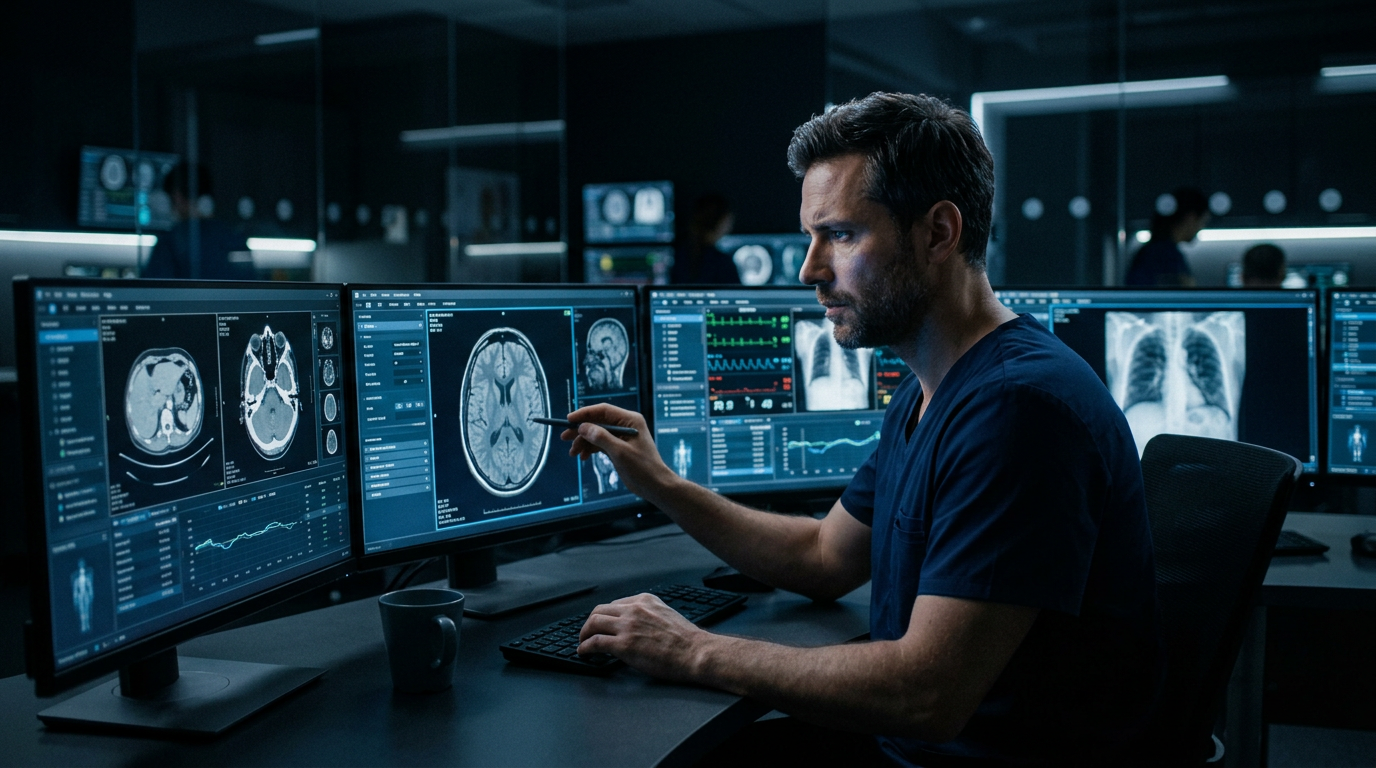
Use this frame as a reminder: technology must survive monsoon maintenance cycles, diesel backup tests, and the reality that many devices share one overstuffed IDF.
03 — Clip — water, sanitation, infection prevention
Safe water and reliable plumbing are preconditions for modern infection prevention and for trusting any “smart” dashboard in a ward.
Video via YouTube — playback may use Google's privacy policy.
04 — Programmes & standards (official entry points)
Ayushman Bharat Digital Mission (ABDM)
National Health Authority, Government of India
Digital health IDs, registries, and linked records — the policy layer that makes interoperability legible. Pair with your state’s implementation calendar before promising interfaces in a tender.
National Health Mission (NHM)
Ministry of Health & Family Welfare
Strengthens sub-centres through CHCs; many digital pilots (telemedicine, HMIS) still route through state NHM cells. Always ask which SHA circular applies.
05 — Video & channel sources (bookmark)
06 — Integration principles
What we spec on drawings
- Fewer dashboards, deeper signals — alarm fatigue kills trust faster than any outage.
- Cyber hygiene by design — VLAN segmentation for clinical devices is not optional.
- Future-proof pathways — empty conduits are cheaper than core drilling occupied ICUs.
- Commissioning with clinicians in the room — integrated testing while the building still belongs to construction, not complaints.
Bottom line
Great healthcare buildings feel calm. Technology should amplify that calm, not compete with it. When you are ready to translate this into room data sheets and BMS points lists, bring us the floor plates — we will align patient flow, MEP, and IT in one red-line set.